
No products in the cart.
TOP RATED PRODUCTS
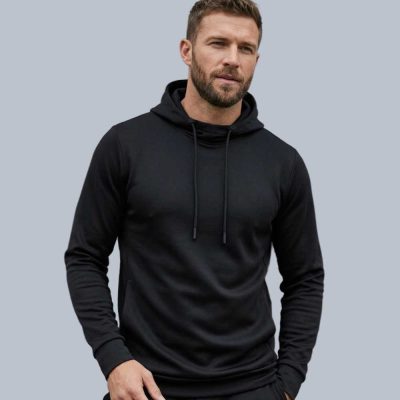
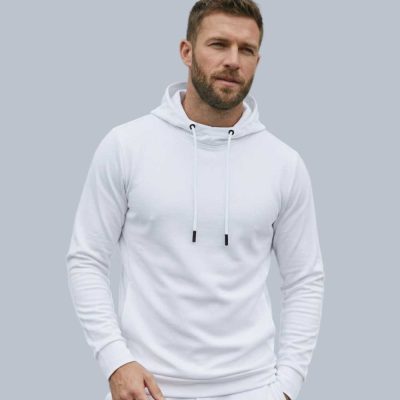
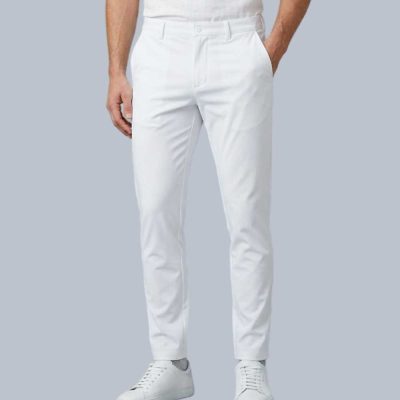
45.00$
White Air Series Trouser

Men’s tops are upper-body clothing pieces designed for everyday wear, layering, and seasonal dressing. This category includes different styles such as t-shirts, shirts, hoodies, and sweatshirts, helping you build flexible outfits for casual, smart casual, and relaxed streetwear looks without limiting your wardrobe choices to one style direction.
Men’s tops form the foundation of everyday dressing. They work across different settings, from relaxed weekends to structured work environments, depending on how they are styled and layered.
This category is designed to help you explore upper-body essentials without locking you into one style direction. Each piece works as part of a wider wardrobe system, giving flexibility for changing seasons and occasions.
Instead of focusing on one fixed look, men’s tops allow movement between casual comfort and clean, structured styling.
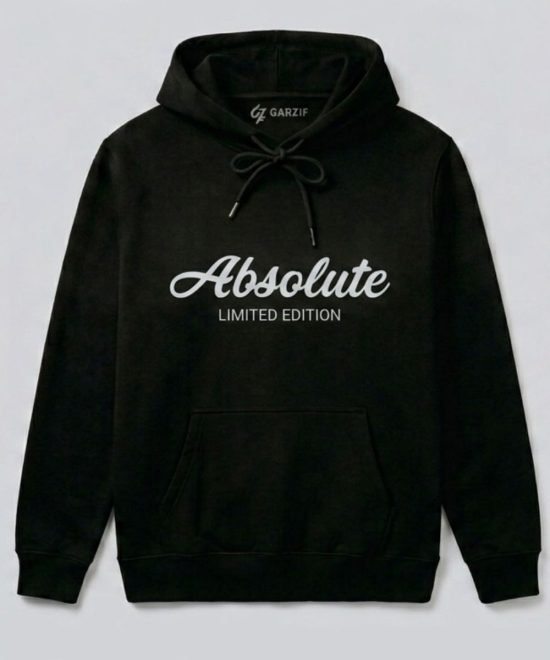

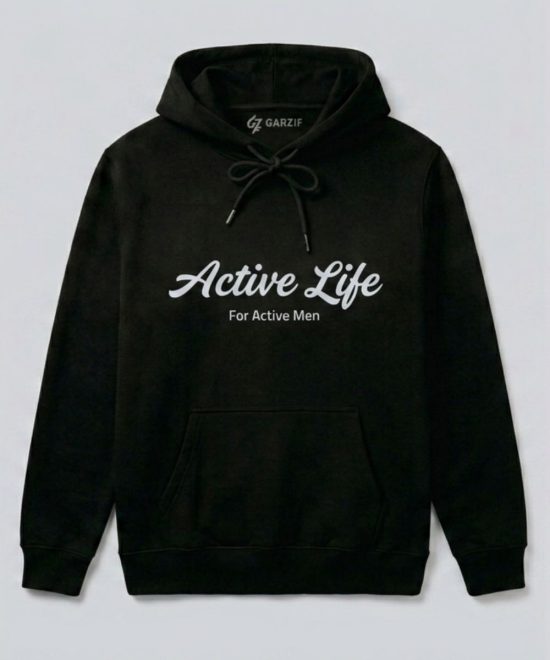






Men’s Tops in Everyday Dressing
Men’s tops include all upper-body clothing designed for daily wear, layering, and styling flexibility. This category focuses on how different pieces work together in real outfits rather than treating each item as isolated clothing.
You’ll find options that range from lightweight everyday wear to structured pieces suitable for smarter dressing. Each type serves a different purpose in building a balanced wardrobe system.
Exploring Different Styles Within Men’s Tops
Men’s tops can be understood through their function and styling role rather than strict classification.
T-Shirts
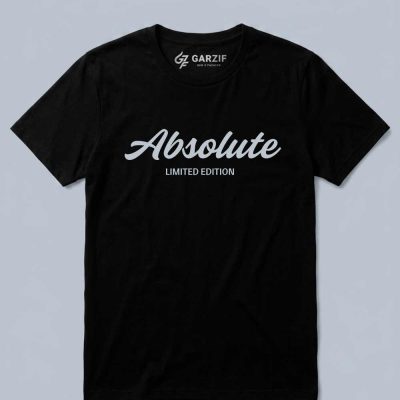
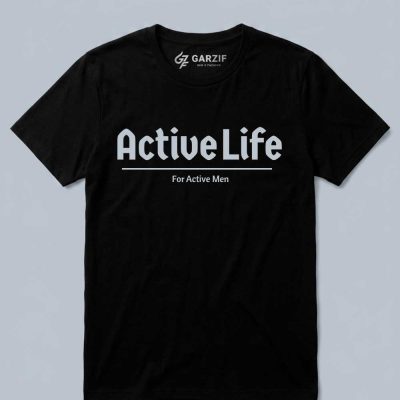
T-shirts are lightweight, easygoing essentials used for daily casual wear. They form the base layer in most outfits and work well in warm weather or under jackets during cooler seasons.
Shirts
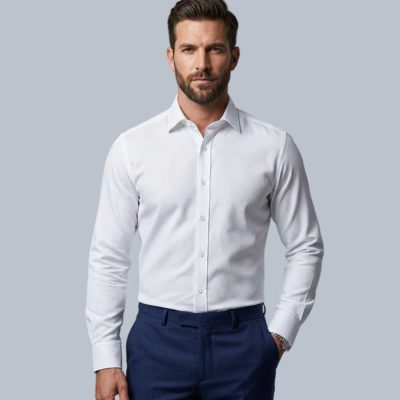
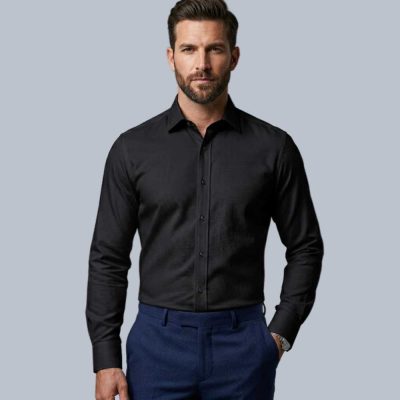
Shirts bring structure to an outfit. They are often used for smart casual dressing, work settings, or situations where a slightly more refined look is needed.
Hoodies
Hoodies focus on comfort and relaxed styling. They are commonly used for casual layering and colder weather outfits where ease of movement is important.
Sweatshirts
Sweatshirts sit between hoodies and structured tops. They offer warmth without heavy layering details and work well for transitional weather.
Each of these styles plays a different role, but they all connect through layering and outfit building rather than competing directly with each other.
Ways to Wear Men’s Tops Throughout the Year
Men’s tops are most effective when seen as part of a layered system.
A t-shirt often works as the base layer under jackets or overshirts. Shirts can be worn alone for a structured look or layered lightly for a smarter appearance. Hoodies and sweatshirts sit on the outer layer, especially in cooler weather, where comfort becomes a priority.
Outfits naturally form combinations such as tops with men’s bottoms for daily wear or layered looks with jackets for seasonal transitions. This flexibility is what makes the category essential in everyday styling.
Choosing Tops for Changing Seasons
Seasonal changes play a major role in how men’s tops are used.
In warmer months, lightweight materials and breathable designs are preferred, especially for everyday comfort. In cooler months, layering becomes more important, and heavier fabrics or long-sleeve styles naturally take priority.
During transitional weather, sweatshirts and light shirts become useful because they adjust easily between temperature changes without needing full outfit changes.
From Daily Wear to Smart Casual Settings
Men’s tops are not limited to one type of situation. They adapt to different parts of daily life.
Casual wear relies heavily on t-shirts and relaxed fits. Smart casual environments often lean toward structured shirts. Travel outfits prioritize comfort-focused pieces like hoodies and sweatshirts. Even social settings can shift between relaxed and slightly refined looks depending on styling choices.
This adaptability makes the category central to everyday wardrobe decisions.
What to Know About Fabric and Fit
Fabric choice influences comfort and overall appearance. Cotton-based fabrics are commonly used for breathability and softness, while blended materials add durability and shape retention.
Fit also changes how a top is perceived. Regular fits create a balanced everyday look, while oversized fits offer a more relaxed and modern style direction. Slimmer fits can be used for structured or cleaner styling depending on the occasion.
Understanding fabric and fit helps create more consistent outfit choices without overthinking combinations.
Creating a Versatile Rotation of Men’s Tops
A balanced wardrobe usually includes a mix of essential and flexible pieces.
Basic t-shirts provide everyday rotation. Structured shirts add versatility for smarter outfits. Hoodies and sweatshirts support comfort-based styling across colder or relaxed days.
When combined thoughtfully, these pieces create a wardrobe that works across seasons, reducing the need for frequent replacement or overthinking daily outfits.
How Men’s Tops Connect With the Rest of a Wardrobe
Men’s tops naturally connect with other wardrobe categories such as men’s bottoms and outerwear layers. This connection allows easy outfit building without strict rules, making dressing faster and more practical.
Instead of focusing on individual pieces, the category works better when seen as a complete styling system.
The Role of Men’s Tops in Modern Dressing
Men’s tops influence how most outfits begin. They set the base tone of styling, whether casual, structured, or layered. Because of this, small changes in fit, fabric, or type can significantly change the overall outfit direction.
Discover More Ways to Build an Outfit
Throughout this page, you can explore deeper categories such as men’s t-shirts, men’s shirts, and men’s hoodies for more focused styling options. These categories help refine specific looks while keeping the main wardrobe structure flexible and easy to build.
Bringing Everyday Outfits Together
Men’s tops remain one of the most flexible parts of a modern wardrobe. They allow easy movement between casual comfort, structured dressing, and layered styling without limiting outfit possibilities.
By understanding how different types work together, it becomes easier to build outfits that fit everyday needs, seasonal changes, and personal style direction without confusion or overcomplication.


