
No products in the cart.
TOP RATED PRODUCTS
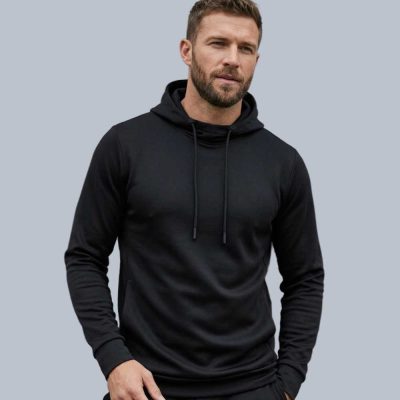
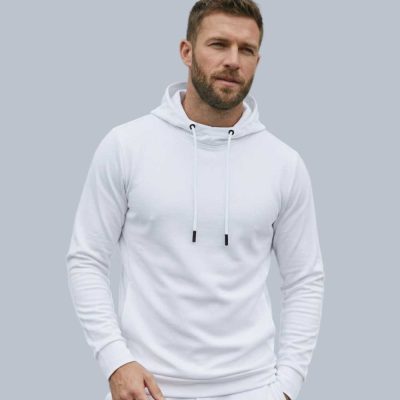
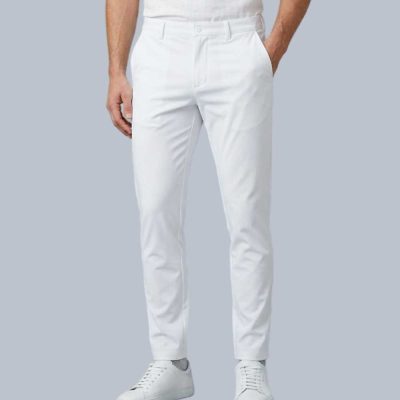
45.00$
White Air Series Trouser

Men’s sweatshirts are non-hooded mid-layer tops designed for everyday comfort, flexible layering, and seasonal adaptability. They sit between basic t-shirts and outerwear, giving light warmth without bulk while keeping a clean, structured silhouette suitable for casual and smart-casual dressing.
Men’s sweatshirts are mid-layer garments designed in non-hooded forms that balance warmth, softness, and breathability. They support simple layering across daily routines, travel, and changing weather conditions.
They suit everyday wardrobes built around comfort, easy outfit building, and temperature flexibility across seasons.
Typically worn over t-shirts as a mid-layer or under jackets for insulation, adapting smoothly between indoor comfort and outdoor movement.


Why Men’s Sweatshirts Remain Part of Everyday Dressing
Men’s sweatshirts function as a stable layering foundation in modern wardrobes. Unlike hooded alternatives, they keep a clean neckline, which makes them easier to combine with outerwear and structured jackets without creating bulk around the collar.
A common intent behind searches is understanding what men’s sweatshirts are used for. The answer is simple: they provide adaptable comfort for daily wear while supporting layering in shifting temperatures.
They also sit closely alongside other mid-layer options such as crewneck sweatshirts, fleece sweatshirts, and oversized sweatshirts, each offering a slightly different balance of structure, warmth, and styling direction without changing the core category role.
Fit Styles and Silhouette Behavior
Fit determines how a sweatshirt behaves in both comfort and styling.
Regular Fit
A balanced shape that follows the body without tightness. It works best for clean layering under jackets and structured everyday outfits.
Oversized Fit
A relaxed silhouette with extra room through the body and sleeves. It creates a more casual, loose appearance often associated with comfort-led or street-inspired styling.
A frequent consideration is whether sweatshirts should be oversized or fitted. The choice depends on intent—regular fits support structure and layering efficiency, while oversized fits prioritize relaxed comfort and visual volume.
Fabric Behavior and Comfort
Fabric choice defines warmth, breathability, and seasonal usability.
Fleece Sweatshirts
Fleece is soft, insulating, and designed to retain heat. It performs well in colder conditions and winter layering but may feel warm in indoor or active settings. This aligns closely with fleece sweatshirts designed for colder seasonal use.
Cotton Sweatshirts
Cotton-based sweatshirts provide breathable comfort with moderate warmth. They work well for daily wear and transitional seasons where temperature shifts are frequent.
Weight Balance
Heavier constructions improve insulation for winter layering, while lighter builds support flexible use in spring and autumn.
A common comparison query is fleece vs cotton sweatshirts. The key difference lies in warmth retention versus breathability and daily comfort balance.
Types of Men’s Sweatshirts
Within the category, variations exist based on silhouette and styling direction.
Crewneck Sweatshirts
A foundational design with a round neckline that supports clean, minimal layering. It remains one of the most versatile sweatshirt forms and connects closely with crewneck sweatshirts used in both casual and structured outfits.
Oversized Sweatshirts
Designed with relaxed proportions that increase comfort and volume. These are often chosen for laid-back styling and modern casual looks, aligned with oversized sweatshirts.
Lightweight Sweatshirts
Built for mild conditions and indoor comfort where warmth needs are minimal.
Graphic Sweatshirts
Add visual character while keeping the same non-hooded structure, often used for expressive casual styling.
Layering Role in Everyday Outfits
Men’s sweatshirts are primarily designed as mid-layer pieces, which makes them highly adaptable.
They sit naturally over t-shirts, adding warmth without restricting movement. Under jackets, they provide insulation while maintaining a smooth outer shape, avoiding bulk around the shoulders and collar.
This layering function becomes especially useful in transitional weather, where temperature shifts require flexible outfit adjustment throughout the day. It also answers a common question about whether sweatshirts can be worn under jackets—the structure is specifically designed to support that use case.
Styling Behavior and Outfit Use
Sweatshirts work best in simple, balanced outfits where fit and fabric take priority over complexity.
They pair naturally with denim, joggers, or relaxed trousers for everyday wear. In travel or long movement situations, their soft structure and breathable design make them practical without feeling restrictive.
Minimal styling direction works most effectively, allowing sweatshirts to adapt across different wardrobe combinations without needing frequent adjustments.
Selection for Better Fit
Choosing the right sweatshirt depends on three core factors:
Climate
Fleece works best for colder environments, while cotton supports moderate and indoor-focused use.
Fit Preference
Regular fits support structured layering, while oversized fits offer relaxed comfort and visual ease.
Usage Pattern
Daily wear, travel, and seasonal rotation all influence which version fits best.
A common intent is understanding which sweatshirt is best for layering. Lighter fabrics with regular fits generally provide the most balanced layering performance.
Seasonal Function of Sweatshirts
Men’s sweatshirts adapt naturally across seasons without needing major styling changes.
In autumn and spring, lighter cotton versions handle shifting temperatures well. Winter calls for fleece and heavier constructions that improve insulation under outerwear. Indoors, softer fabrics maintain comfort without overheating.
This flexibility is one reason sweatshirts remain a stable wardrobe category rather than a trend-based item.
Building Everyday Outfits
A consistent outfit structure often works best: sweatshirt over a basic t-shirt paired with clean trousers or denim.
This approach creates balanced proportions while keeping styling simple and functional. Neutral tones further improve outfit repeatability across different settings.
A frequent question is how to style men’s sweatshirts casually. The most effective method is maintaining proportion balance and letting fabric texture and fit define the look rather than adding unnecessary layers.
Why the Right Sweatshirt Often Becomes the Most Worn
Men’s sweatshirts sit within a broader layering system inside men’s clothing, connecting naturally with related essentials like men’s hoodies for hooded alternatives, men’s t-shirts as base layers, and men’s jackets as outer protection.
Within the sweatshirt range, different variations such as crewneck sweatshirts, fleece sweatshirts, and oversized sweatshirts provide structured options depending on warmth, fit preference, and styling direction, while all remaining within the same non-hooded mid-layer category.
A Steady Essential Within Everyday Wear
Men’s sweatshirts continue to hold a steady place in modern wardrobes because they balance comfort, structure, and layering flexibility. Their strength lies in adaptability—moving easily between seasons, outfits, and routines while maintaining a clean, practical silhouette that supports everyday dressing without complication.


