
No products in the cart.
TOP RATED PRODUCTS
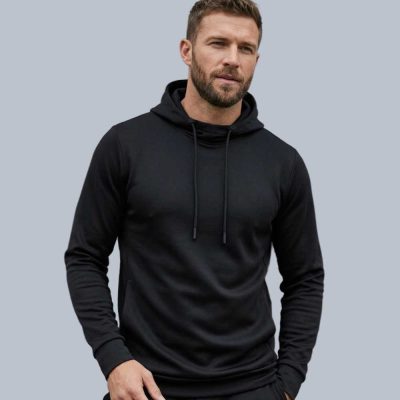
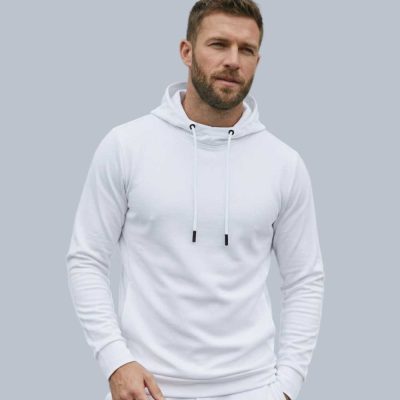
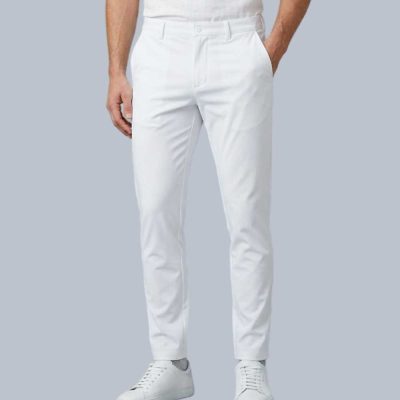
45.00$
White Air Series Trouser

Men’s bottoms quietly shape almost every outfit, even though they rarely get the most attention. The way they sit on the body, how they move, and how they balance everything above them often decide whether an outfit feels effortless or slightly off.
Within the wider men’s clothing collection, this category sits at the base layer of dressing decisions. It connects directly with tops, footwear, and outerwear, influencing proportions more than most people realize. A slight shift in cut or fabric can change the entire feel of a look without altering anything else.
This space brings together everyday essentials and more defined silhouettes, each serving a different kind of routine. Some lean toward ease and comfort, others toward structure, and many sit somewhere in between depending on how you style them.


How Different Bottom Styles Shape Your Wardrobe
Not all men’s bottoms serve the same purpose, even if they look similar at first glance. Some are built for movement-heavy days, some for cleaner styling, and others for situations where comfort matters most.
Denim-based styles usually sit in a balanced middle ground, working across casual and slightly refined settings. More relaxed silhouettes often feel natural for off-duty wear, while tailored options tend to create a sharper visual structure without needing extra effort elsewhere in the outfit.
Instead of thinking in strict categories, it helps to view them as different responses to daily situations—each one solving a slightly different need in your wardrobe.
Fit: The Part That Changes Everything
Fit is often the point where personal preference becomes clear. It affects not just appearance, but how natural your outfit feels when you move through the day.
A relaxed cut gives more space around the legs and works well when comfort is the priority. Slim shapes create a tighter visual line that feels more defined. Straight fits stay neutral, offering balance without leaning too far in either direction. Tapered silhouettes gradually narrow toward the ankle, giving a more modern finish without feeling restrictive.
What makes fit interesting is how it interacts with the rest of your outfit. Wider silhouettes tend to pair more easily with fitted tops, while slimmer ones often work better with relaxed layers. Once this balance becomes familiar, styling feels less like planning and more like instinct.
Fabric and How It Changes Daily Comfort
Fabric choice often determines how a pair of bottoms behaves throughout the day. It affects breathability, structure, softness, and even how formal or casual the piece feels.
Light cotton blends and breathable materials are usually preferred for warm or active days. They feel easy on the body and reduce heaviness, making them suitable for everyday movement.
Structured fabrics and stretch materials bring a different kind of experience. They hold shape better, handle longer wear, and adapt more comfortably to movement. Stretch adds flexibility, which becomes noticeable during travel or long hours outside.
Most wardrobes naturally end up mixing both types because no single fabric works for every situation.
Wearing Them Across Different Situations
Daily outfits usually lean toward simplicity and comfort. This is where relaxed silhouettes and softer fabrics make sense, especially when the goal is ease without overthinking combinations.
In more refined situations, cleaner cuts start to matter. Structured styles help create a more intentional look, especially when paired with minimal tops or shirts that keep the outfit balanced.
When travel or weather changes come into play, adaptability becomes more important than appearance alone. Lightweight pieces help with movement, while structured ones maintain shape across longer hours.
Building a Practical Rotation
Most wardrobes don’t rely on a single type of bottom—they rotate between a few depending on the day. One pair handles regular routines, another feels better for relaxed settings, and another works when things need to look slightly more refined.
Over time, patterns start to appear. Certain pieces get worn repeatedly, while others stay unused. That’s usually the clearest sign of what actually fits your lifestyle versus what just looks appealing in theory.
A balanced rotation is less about variety and more about usefulness in real life.
Exploring Related Choices
Different styles overlap, but each one still has its own role in a wardrobe.
Denim remains one of the most flexible starting points, working across everyday outfits without much adjustment. You can explore this in the jeans section, where different cuts and washes shift the tone without changing the core purpose.
For a more structured appearance, tailored styles become more relevant. These fall under the trousers category and are often used when outfits need a cleaner finish without becoming formal.
Warmer conditions naturally shift attention toward lighter pieces. The shorts category focuses on airflow and ease, making it suitable for high-temperature dressing.
On the relaxed end, comfort-driven styles like joggers bring a softer feel into everyday wear, especially for travel, downtime, or informal settings.
All of these categories connect back to the same idea: different ways of balancing comfort and structure depending on context.
Finding What Fits Your Style Naturally
Choosing bottoms usually becomes easier once you understand how you actually live day to day. Some people prefer clean, structured outfits that feel composed, while others naturally lean toward relaxed, easy movement.
Fit and fabric tend to guide these decisions more than anything else. Once you experience how different silhouettes behave in real situations, your preferences become clearer and more consistent.
Over time, outfit building stops feeling like decision-making and becomes more about repeating what already works without second guessing it.
Get a Final Perspective
Men’s bottoms form the base layer of how everyday outfits come together, even if they aren’t always the focal point. They influence comfort, proportion, and overall balance in a way that quietly defines the final look.
When fit, fabric, and structure are understood together, building outfits becomes less complicated. Instead of forcing combinations, things start to align naturally, creating a wardrobe that feels practical, consistent, and easy to use.


